Reading Conditions Before Choosing Your Hunting Setup
A common misconception is that the best hunting setup is the one that worked last season. In practice, a familiar stand, pack or clothing system can become a poor choice when wind shifts, ground conditions change or access rules are updated. Careful observation helps you make a safe, ethical decision before committing to a position, carrying unnecessary gear or disturbing sensitive habitat.
Start with symptoms, not assumptions
The first warning sign is often small: fresh tracks stop where the ground turns soft, a trail is louder than expected, or steady wind begins curling around a ridge. Treat these symptoms as information. They may show that the planned setup no longer fits the conditions.
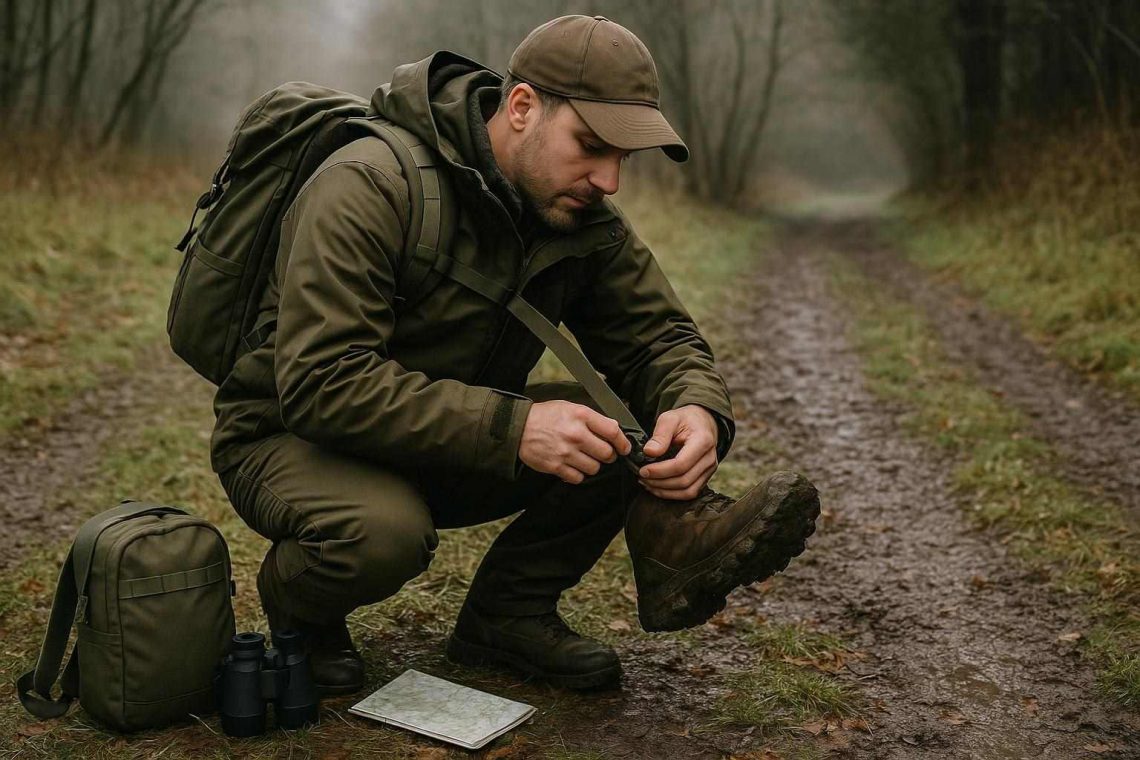
Check boots, pack straps, optics and clothing before settling in. Fogged lenses, wet cuffs, a loose buckle or an unfamiliar rattle can become larger problems later. Do not ignore numb fingers, reduced visibility, worsening fatigue or a damaged firearm component. Pause, adjust or leave rather than treating these conditions as tests of persistence.
Read terrain as a changing system
Terrain assessment involves more than identifying a likely travel route. Check how water, temperature and recent disturbance have altered the ground since your last visit. A dry crossing may be slick after rain, while fallen branches, leaf cover or frozen crust can change how quietly you move. A slope that looks manageable on a map may feel very different with a loaded pack and poor footing.
Use the approach to test the plan. Note safe access, backstop conditions, visibility, escape routes and places where other people may reasonably appear. Avoid setups that depend on a narrow field of view or require hurried movement. If you cannot identify what lies beyond a possible shot path, the position is not ready.
Give habitat a lighter touch. Wet ground, nesting areas, waterways and recently restored vegetation may be more vulnerable than they appear. Choose routes and waiting locations that reduce trampling and keep disturbance away from sensitive areas.
Treat weather and wind as active variables
Forecasts help with preparation, but they do not replace observations at ground level. Wind may differ on an exposed ridge and beneath the trees, while temperature changes can affect clothing, scent movement, footing and visibility during the same outing. Watch grass, leaves, mist and loose snow instead of relying on a single reading taken before departure.
A setup that depends on one wind direction has little margin for error. Recheck conditions after moving, when entering a hollow and whenever the air becomes unusually still. If wind begins swirling toward the area you are watching, relocate or end the attempt. Forcing the original plan usually creates more noise and disturbance while reducing the opportunity's quality.
Cold, rain and heat can also affect judgment. Arrange clothing so you can add or remove layers without excessive movement, protect essential items from moisture and carry enough water for the actual route. Mild conditions in the forecast are no reason to ignore symptoms of exposure or dehydration.
Match the setup to the decision
The right hunting setup provides stable footing, a clear and safe view, and enough time to identify your target and what lies beyond it. It is not automatically the highest, most concealed position or the place with the most sign. A simple ground position may be preferable to an elevated one with poor access, unstable footing or an unsafe angle.
Before settling, ask: Can I leave without crossing an unsafe area? Can I remain comfortable and alert for the expected period? Can I make a clean, lawful decision without rushing? If any answer is no, change the plan while movement is still easy.
Keep the setup proportionate to the conditions. Every accessory can slow travel and create noise, while too little equipment may leave you cold, wet or unable to handle a basic problem. Select gear for the route, weather, distance and legal requirements, not a hypothetical perfect opportunity.
Check gear for failure before the field does
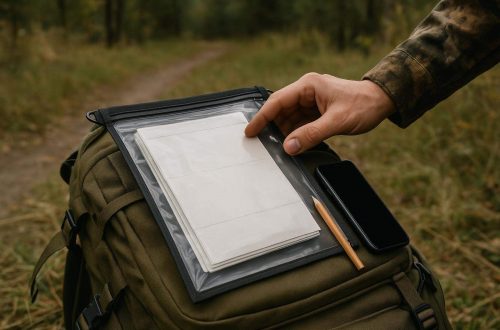
Gear selection should include a condition check, not just a packing list. Inspect footwear for separation and poor tread. Test closures on rainwear and packs. Confirm that optics are clean and protected, batteries are fresh where required, and navigation tools remain usable if a phone loses power or signal. Carry a basic repair option for equipment most likely to fail.
Firearms and other hunting equipment require special care. Follow the manufacturer's safety guidance, confirm that controls and carrying systems function as intended, and never use damaged or improvised components. Resolve concerns about function, fit or safe handling before the hunt through a qualified professional or other appropriate official source.
One useful pre-departure check is:
– Route, access and permission confirmed
– Forecast checked, with a plan for changing wind or visibility
– Footing, backstop and likely human access assessed
– Clothing, water, first aid and navigation equipment packed
– Firearm or other hunting equipment inspected safely
– Licenses, tags, seasons and local restrictions verified
– Exit time and turnaround conditions decided in advance
Let regulations and ethics set the boundary
Regulations are part of preparation, not paperwork for the last moment. Seasons, legal methods, access permissions, tagging rules, transport requirements and restrictions around public or private land can change. Verify current requirements with the relevant wildlife agency, land manager or other official authority before setting out. Printed information from a previous season may no longer be reliable.
Ethical preparation also means deciding what you will not do. Do not take a marginal shot because weather is closing in, visibility is fading or the day has been slow. Know the limits of your equipment and identification skills. If recovery would be uncertain, unsafe or likely to damage sensitive habitat, pass on the opportunity.
Good preparation leaves room to stop. Conditions are not a challenge to defeat; they are information used to decide whether a hunt remains safe, lawful and respectful. A setup that can be checked, adjusted and abandoned without pressure is stronger than a rigid plan built around wishful thinking.


You May Also Like