When Your Phone Dies: A Regulation-Ready Hunt Kit
Navigating Your Hunt When Technology Fails
A dead phone does not stop you from hunt. It can take away information that helps you stay safe and follow the rules while you are out, in the field. Things such as season dates, weapon limits, tagging rules and emergency contacts are often kept on your device. A smartphone makes hunt easier. You must also have a backup plan. If you do not you may break the law have a day or even find yourself in danger when technology fails.
Know the Rules Before You Go
Before you go into the wild you must learn the rules. Of carrying all the rulebooks pull out the points: the hunt season, what gear is allowed the hours you can shoot what permits you need and the unit borders. When you write down these points watch the words about which animals and how you hunt them. Other sources can give a summary. They must not replace the official rules from your area. Keep the rules as your guide when you plan your hunt.
Transform Your Phone From Critical to Convenient
Your smartphone is very useful for getting maps, permits, weather updates and contact numbers.. If you depend on it you face a big risk. Download your licenses and permits so you can use them offline. A screenshot can help quickly. Do not think it will always meet the rules; check which formats are okay before you need them. Keep your phone charged use it in a way that does not drain the battery fast and protect it from rain and cold. A portable charger is good. It is not a replacement for paper papers. Cold weather can shorten battery life so keep the device close ready to use for navigation or help.
Bring What You Need
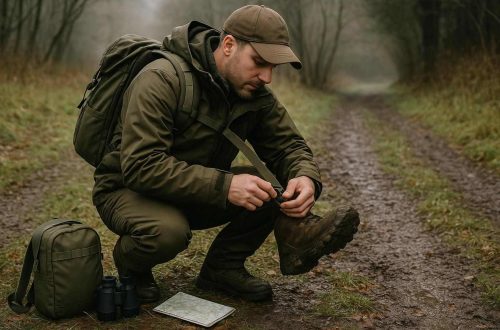
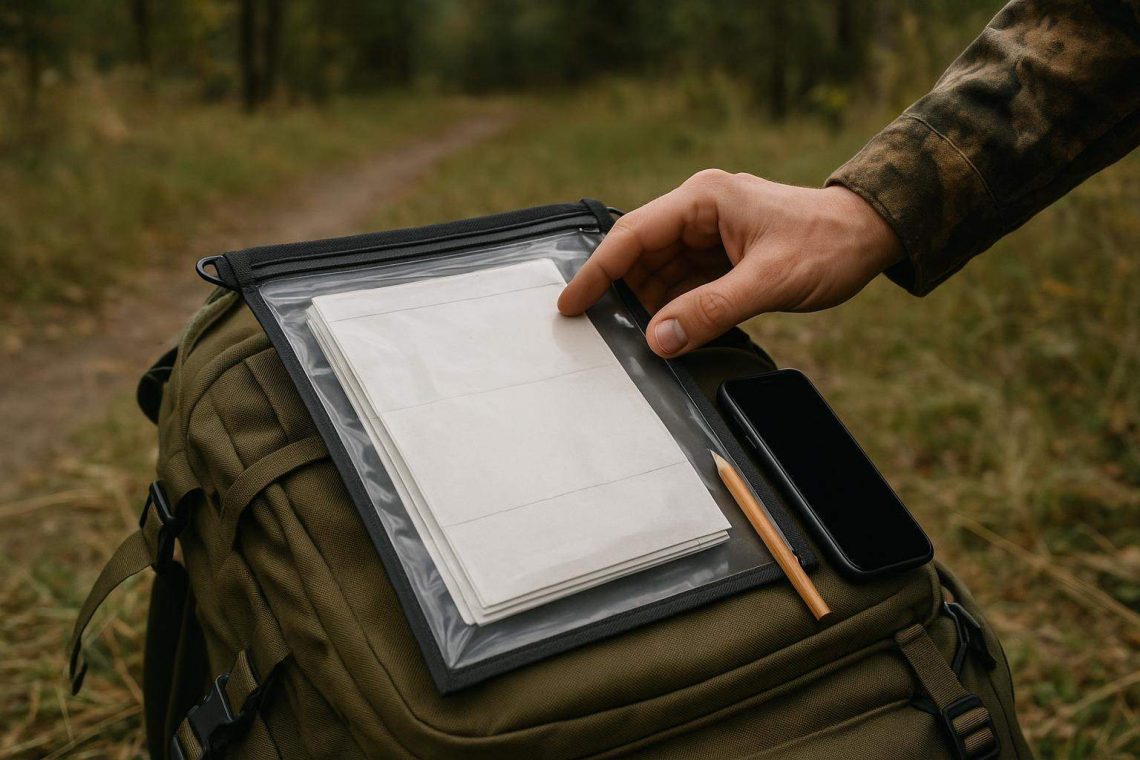
When you pack for the hunt put the important papers first. Bring the rules that give you answers while you are out a copy of your license or permit if the hunt allows it and a clear map of the hunt area. Mark the borders and rules well. Check that the map is recent and has a legend. Use trusted sources so you do not get info about easements or seasonal shut‑downs. If the hunt area needs permission be sure you have that paper in the form; do not rely on an informal note that might not count. Keep the papers in a sleeve or a resealable bag. Fold them so you can reach them fast. A pencil can work better than a pen if you need to write notes about closures or other instructions while you move.
Develop a Prudent Decision-Making Process
A careful decision process is your help and should go with your papers. Before you go into a hunt area pause and compare any printed or downloaded map to the landmarks you see. Check that you know the units, parcels and routes you can use. If any borders look unclear fix the confusion before you start. Using roads or trails as signs can help you find your way. Remember that these signs are not borders.
Similarly use the mind when you hunt. If a game animal goes into a spot that's not sure or if you cannot be sure what it is choose the choice. It is usually better to wait than rush into an illegal or unsafe situation.
If you use firearms look at your maps and phone when your gun is pointed safely and is locked. Keeping the muzzle away from danger is very important while you look at your surroundings. A dead battery can be a problem when your mind is split over a loaded gun.
Prepare for the
A field kit that fits in your jacket pocket or on top of your backpack can help a lot especially when technology fails. Put in your kit the papers and tools that match your rules and the ground you will hunt. Here are the things you should think about:
– Check the rules and note the date they were last updated.
– Keep a copy of your license, permit and tag data in the format.
– Carry a map and a paper map of the hunt area.
– Recheck the borders how you can get in and any shut‑downs.
– Make sure the phone is charged and add a power bank and emergency numbers.
– Put a pencil, a sleeve for papers and a small light, for reading.
Understanding the Importance of Well‑Informed Decisions
Your preparation is only as good, as the actions your preparation inspires in the field. If you cannot confirm rules if you cannot identify the hunting unit if you cannot secure the permissions or if you cannot understand tagging requirements take a step back and consult an official source. If you cannot obtain clarification do not attempt to operate on guesswork.
I apply standards for all conservation decisions. This means I respect closures I protect habitats. I properly dispose of damaged equipment. Regulations set the behavior but conscientious practices often call for even more diligence. I review all hunting regulations and access notices at the start of every season. I revisit hunting regulations after any significant changes. Regulations and accepted documentation become outdated necessitating a reassessment. Ensure your backup plan is as reliable, as your equipment; paper documents can safeguard against ethical or safety failures that may arise from unexpected situations.

You May Also Like